
A mixtape, which usually reflects the musical tastes of its compiler, can range from a casually selected list of favorite songs, to a conceptual mix of songs linked by a theme or mood, to a highly personal statement tailored to the tape's intended recipient. Essayist Geoffrey O'Brien has called the personal mixtape "the most widely practiced American art form", and many mixtape enthusiasts believe that by carefully selecting and ordering the tracks in a mix, an artistic statement can be created that is greater than the sum of its individual songs, much as an album of pop music in the post-Beatles era can be considered as something more than a collection of singles.
With the advent of affordable, consumer-level digital audio, creating and distributing mixes in the form of compact disc or MP3 playlists has become the contemporary method of choice, but the term mixtape is still commonly used, even for mixes in different media (CD, MP3, MiniDisc, audio cassette 8 track, etc.). Video mixtapes have emerged as well.
 Homemade mixtapes became common in the 1980s. Although the compact audio cassette by Philips appeared at the 1963 Berlin radio show, the sound quality of cassettes was not good enough to be seriously considered for music recording until further advances in tape formulations, including the advent of chrome and metal tape. Before the introduction of the audio cassette, the creation of a pop music compilation required specialized or cumbersome equipment, such as a reel-to-reel or 8 track recorder, that was often inaccessible to the casual music fan. As cassette tapes and recorders grew in popularity and portability, these technological hurdles were lowered to the point where the only resources required to create a mix were a handful of cassettes and a cassette recorder connected to a source of prerecorded music, such as a radio or LP player. The 8-track tape cartridge was more popular for music recording during much of the 1960s, as the cassette was originally only mono and intended for vocal recordings only, such as in office dictation machines. But improvements in fidelity finally allowed the cassette to become a major player. The ready availability of the cassette and higher quality home recording decks to serve the home casual user allowed the cassette to become the dominant tape format, to the point that the 8 track tape nearly disappeared shortly after the turn of the 1980s. The growth of the mixtape was also encouraged by improved quality and increased popularity of audio cassette players in car entertainment systems, and by the introduction of the Sony Walkman in 1979.
A distinction should be drawn between a private mixtape, which is usually intended for a specific listener or private social event, and a public mixtape, or "party tape", usually consisting of a recording of a club performance by a DJ and intended to be sold to multiple individuals. In the 1970s, such DJs as Grandmaster Flash and the Furious Five, Afrika Bambaataa and the Soulsonic Force, Kool Herc and the Herculoids, DJ Breakout, the Funky Four, and DJ Hollywood would often distribute recordings of their club performances via audio cassette, as well as customized recordings (often prepared at exorbitant prices) for individual tape purchasers. These recordings tended to be of higher technical ability than home-made mixtapes and incorporated techniques such as beatmatching and scratching. One 12 October 1974 article in Billboard Magazine reported, "Tapes were originally dubbed by jockeys to serve as standbys for times when they did not have disco turntables to hand. The tapes represent each jockey's concept of programming, placing, and sequencing of record sides. The music is heard without interruption. One- to three-hour programs bring anywhere from $30 to $75 per tape, mostly reel-to-reel, but increasingly on cartridge and cassette." Club proprietors, as well as DJs, would often prepare such tapes for sale.
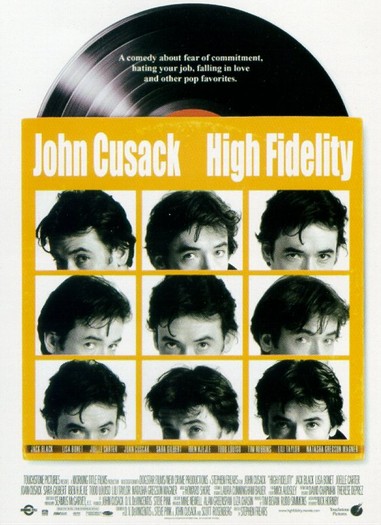 Throughout the 1980s, mixtapes were a highly visible element of youth culture. However, the increased availability of CD burners and MP3 players and the gradual disappearance of cassette players in cars and households have led to a decline in the popularity of the compact audio cassette as a medium for homemade mixes. The high point of traditional mixtape culture was arguably the publication of Nick Hornby's novel High Fidelity in 1995. Since then, mixtapes have largely been replaced by mix CDs and shared MP3 playlists, which are more durable, can hold more songs, and require minutes (rather than hours) to prepare. While some mixtape enthusiasts bemoan the obsolescence of the cassette tape, others concede that the greater convenience offered by the mix CD has expanded the possibilities and accessibility of the medium, as indicated by the recent resurgence of mix-swapping clubs that trade mix CDs by regular mail. Some mix enthusiasts also appreciate the potential of the mix CD for extended, continuous mixes and creative album art.
From an artistic point of view, many creators of mixtapes seem to regard them as a form of emotional self-expression, although whether a mixtape retains the same web of emotional associations when passed from its creator to the recipient is, at best, debatable. Some argue that in selecting, juxtaposing, or even editing originally unrelated tracks of pop music into a new work of art, the "author" of a mixtape moves from passive listener to archivist, editor, and finally active participant in the process of musical creation. (Some legitimacy for this viewpoint was provided by Cassette Stories, a 2003 exhibition at the Museum of Communication in Hamburg, Germany, which featured stories and submissions from eighty mixtape enthusiasts.)
However, this perception of the mixtape as a work of art has been criticized as resulting in a sort of elitism, with creators becoming more concerned with finding arcane and surprising combinations of tracks than with creating a tape that is listenable, enjoyable, or appropriate to its intended recipient. (In High Fidelity, for example, the narrator's girlfriend complains that his mixtapes are too didactic.) On a very basic level, the creation of a mixtape can be seen as an expression of the individual compiler's taste in music, often put forward for the implicit approval of the tape's recipient, and in many cases as a tentative step towards building the compiler's personal canon of pop music.

No comments:
Post a Comment